Alien invertebrates of terror & thieving magpies
I believe that our sense of entitlement to consume all that we desire comes from the same framework of imperial thinking that fed colonisation and also drives misappropriation.

Here we go again, welcome back to Cultural Misappropriation for White Folk 101. Please get your bingo cards ready. Spot prizes for any evidence of white tears. Bonus points for every time you hear the following phrases;
- "inspired by their language"
- "intentions were good"
- "meant no disrespect"
- "just love the culture"
- "no offence intended"
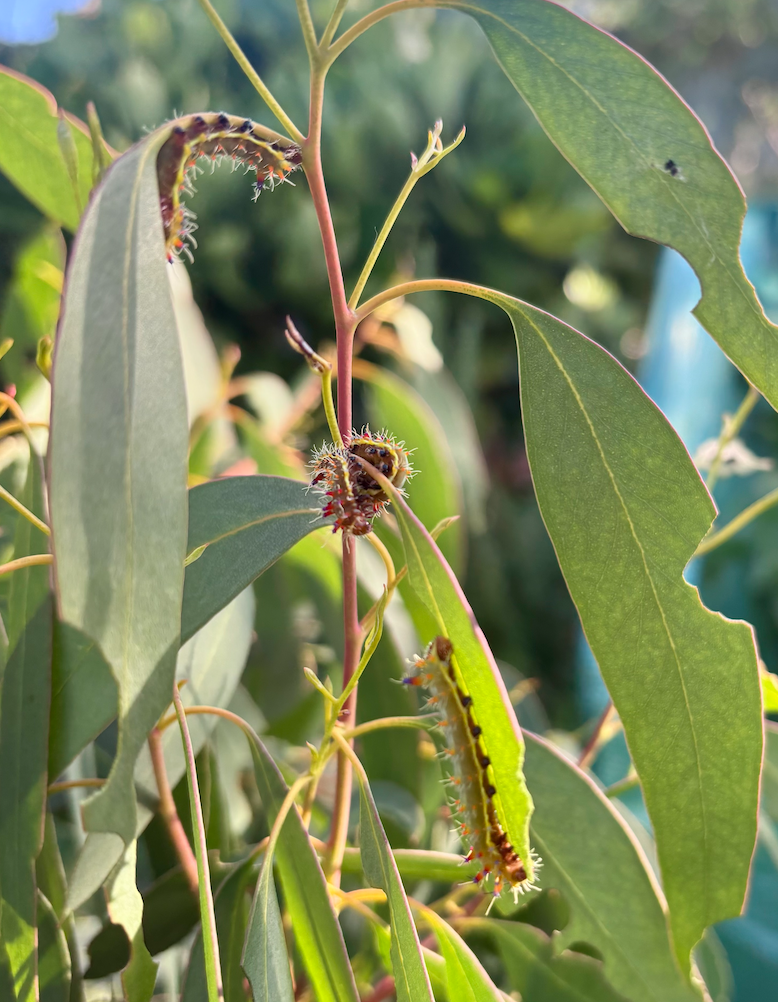
My daughter found a cluster of tiny Gum Emperor Moth caterpillars on our gum tree last week and we've watched in growing alarm as they double in size daily. The eucalyptus tree is only four years old and we are concerned that they will strip every leaf if they keep this up. Despite looking like alien invertebrates of terror, the caterpillars don't mean to harm our growing tree. But they will. No offence intended.
Amidst all the horrors unfolding of late far worse than horrible caterpillars, it's been hard to miss the latest example of white folk misappropriating. More of my people taking the parts of Māoritanga they're 'drawn to' while busy grifting. Yet again, incredible wāhine Māori have intervened to advocate, educate and resist this harmful overreach. I thought it was timely for me** to revisit some solid insights on this kaupapa to reread and share with my fellow Pākehā who are keen for some 'know better, do better' action. Here's a collection of pieces from this cultural appropriation puzzle that continues to confuse so many of us 'well-intentioned white folk'.
And while this certainly not a new problem, it doesn't seem to be going away either. Back in 2019, Tina Ngata (Ngāti Porou) was explaining why cultural appropriation is so much more than just offensive. It's a key part of a system of harm that reaches right into who ends up in jail, with their children uplifted and their cancer undiagnosed across our country. Consequently, cultural appropriation is so pervasive and core to our mainstream cultural norms it can be hard to see where it begins and ends.
Indeed even the experts note that cultural appropriation is not easily summed up in one sentence. Usually it involves one group taking from a culture that they do not belong to and using it as they see fit...More often than not, appropriation is driven by fetish or profit. The explicit miscommunications of cultural parodies so often minimise and erase the sophistication of cultural protocols and art forms, and replace them with fetishised primitive references that reinforce harmful stereotypes...Quite separate from the harms of explicit misrepresentation, there is an implicit power relationship communicated here. When one group claims the right to take from and redefine another, it tells us in a multitude of ways who doesn’t matter.
Taking a kupu Māori to use for their own purpose demonstrates an audacious belief that it is theirs to do so. Without any knowledge of the language, they believe it's within their rights to then profit from this kupu. Not to build resources to support te reo revitalisation of course! All without rangahau, relationship, process, consultation or understanding. Believing that it is a decision without ramifications simply because they don't want to see them. The historic violent suppression of te reo Māori is not distinct from taking a kupu now without care or permission through cultural appropriation.
Appropriation ≠ appreciation.
Cultural misappropriation has been defined as the 'inherently harmful use of elements of a culture or identity by members of another culture or identity'. It can be especially controversial when members of a dominant culture appropriate from minority cultures.
Kristy Bedy (Kāi Tahu, Kāti Mamoe and Pākehā) of Aho Creative writes about these issues specifically in regards to businesses with Māori names and also highlights the role of power in cultural appropriation;
One of the key issues with this is that it is a power play and a power imbalance (albeit often without cognisance). The person uplifting the cultural knowledge is most often in a cultural grouping that has not suffered the social, cultural and economic injustice dealt to the minority culture that is being appropriated, has not experienced and does not carry the pain, injustice, discrimination, intergenerational mamae (hurt) and weight experienced by the original (appropriated) culture.
In a similar way, many Pākehā claim pepeha that invoke ancestral landmarks they have no birthright to because they 'feel a strong affinity' to them. I wrote about it this a few years ago;
Feeling connected to a place, wanting to participate in pepeha and honour the reo doesn't entitle Pākehā to lay claim to any more of Aotearoa than we've already stolen, and inherited as stolen and profited from. Appreciating the beauty of a place, enjoying holidaying somewhere special or being nostalgic about our childhood home is NOT the same as 100s of generations of kaitiakitanga by mana whenua. There are ways of communicating our love for Aotearoa, our connection to this place and our desire for reconciliation, healing and reindigenisation. But learning that requires real mahi...[it's not] an open invitation for non-Māori to co-opt indigenous ways of belonging for their own sense of self.
Kim Mcbreen (Waitaha, Kāti Māmoe, Ngāi Tahu and Pākehā) wrote about this in the context of appropriating pōwhiri tikanga in the workplace;
I suspect they want to be tangata whenua. It’s uncomfortable being a coloniser. So instead of thinking through the best way to acknowledge that they are manuhiri and there are other tangata who belong to this whenua, they scratched their colonising wannabe-Indigenous itch...If the tikanga is severed from its mātauranga, it has been appropriated.
Good intent ≠ no consequences
Our best intentions do not override the impact of our harmful actions. (Read it again, for good measure.)
Not intending to cause harm doesn't magic away the consequences of our choices on others. We can't keep justifying our wilful ignorance and continue to 'mistakenly' recolonise at pace. I just don't believe any claims of "but we just didn't know!" These days, we've got the entire internet, endless social media platforms and ever-pervasive AI opportunities to suss the 'know better' part. Back in the dark old days of my youth, we could only rely on libraries, ancient encyclopaedia sets and annoying our friends and family with incessant questions. Depending on where you lived and how much education your grandparents had, you might find out some or no information about the topic you were curious about. Now, there's simply no excuse for us not accessing the learning we need to better understand the weight of these issues.
This brilliant post by Aroha Tamihana (Ngāti Raukawa, Ngāti Ranginui) of Maimoa Creative addresses the kaupapa of Pākehā speaking te reo Māori from a Māori perspective.
Don't treat your learning as 'professional development', or a 'skill to acquire. Treat it as a privilege, and an experience to become a better treaty partner. Learning the language also means learning about the culture. Tikanga (customs), waiata (songs), karakia (prayers), pūrākau (legends) - they all make up te ao Mãori, and your experience will be richer for placing importance on learning them as well.
E-tangata published my thoughts about how a consumerist approach to Pākehā learning and speaking te reo Māori can fuel cultural appropriation, too.
Let’s not just consume the parts of the language and culture we find fun, but make sure we are tangata Tiriti — people who belong in Aotearoa because of the rights and responsibilities embedded in Te Tiriti o Waitangi. Every Pākehā who declares a love of the Māori language must stand up for Te Tiriti...Dr Awanui Te Huia reminds us: “Te reo revitalisation can’t be uncoupled from decolonisation. We must address the systemic injustices that have contributed to the decline in its use.”
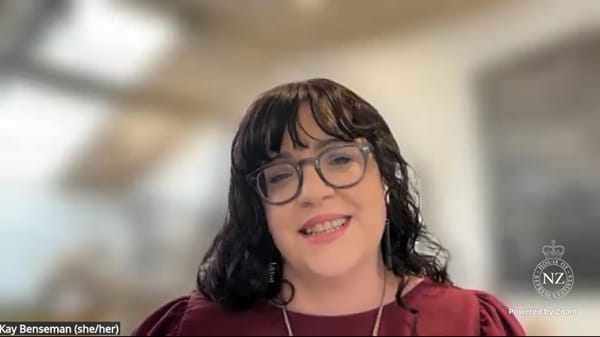
 Kay Benseman
Accessible ≠ entitled
We made a zine during Te Wiki o te reo Māori a few years ago that featured suggestions "for Pākehā language learners of te reo Māori – how we can cause less harm, not take up space and show greater solidarity; to be tāngata Tiriti". We then shared a template for anyone who wanted to "follow the Pākehā custom of 'passive aggressive notes' by putting a copy of our zine in a letterbox or leaving a stack at your local cafe, staffroom or library for Pākehā learning te reo Māori to stumble upon." These thoughts were informed by our own mistakes, others' feedback and the insights of experienced hoa haere.
We are always learning and unlearning and committed to doing better. It’s not about never messing up; but limiting mamae, trying again and being relational.
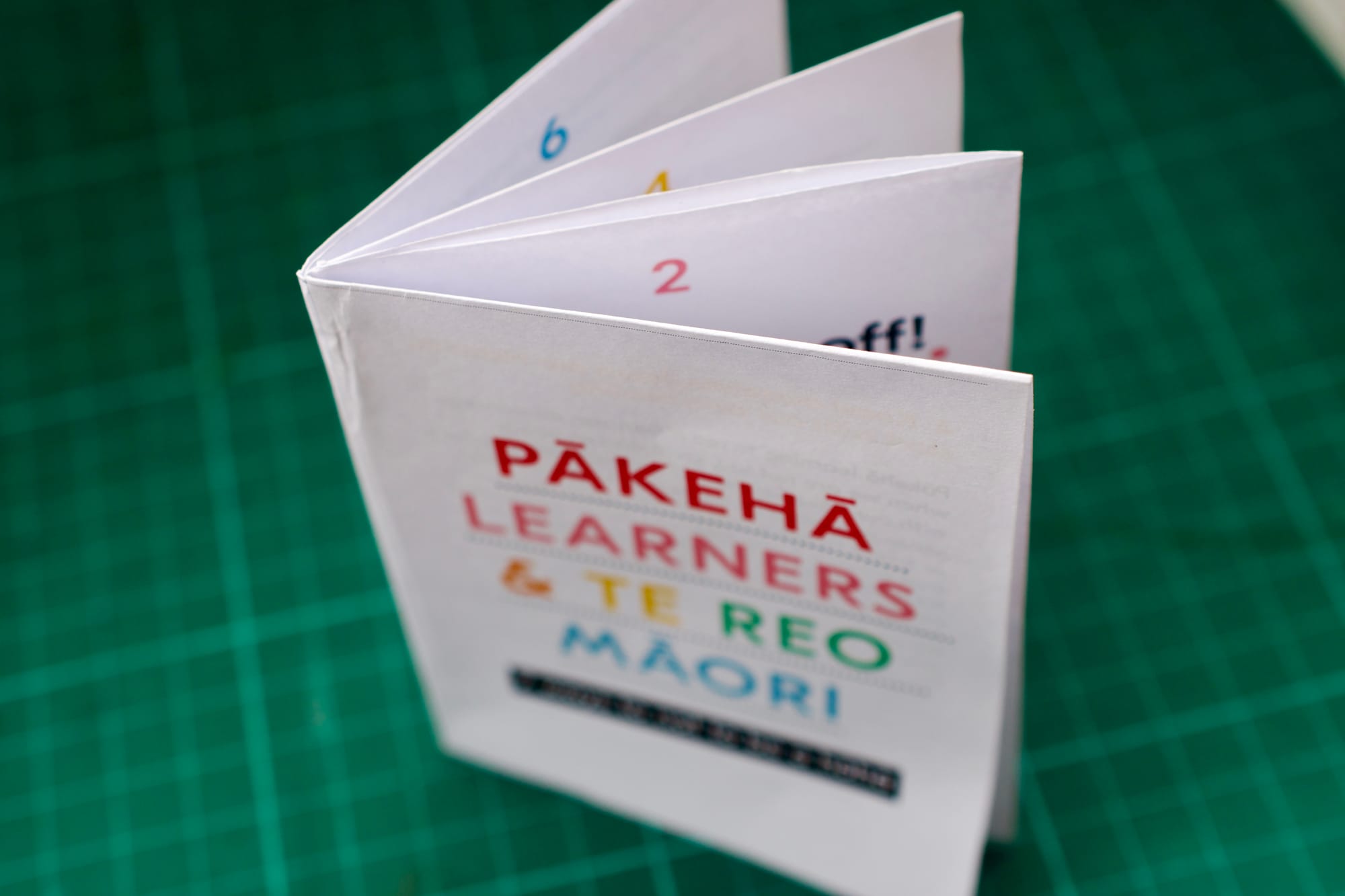
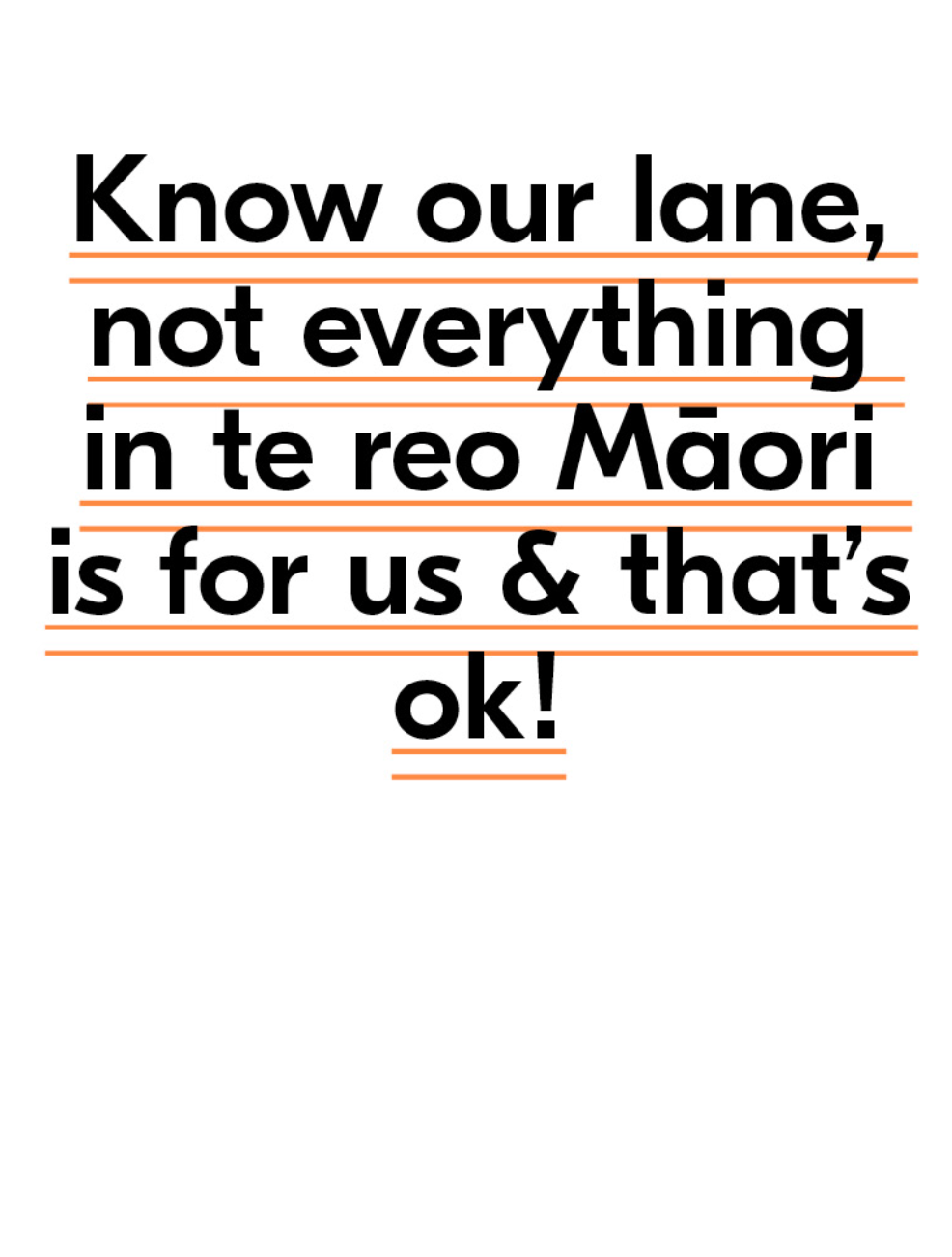
The previous year, we'd shared the ideas as a social media post and one particular suggestion resonated and was shared by thousands of people online;
Know our lane, not everything in te reo Māori is for us & that's ok! So many te reo Māori kaiako are generous with Pākehā learners and we may be invited into reo spaces and opportunities with manaaki and aroha. We may have access to mātauranga Māori that is not our birthright and this is not to be taken lightly. Not everything in te reo Māori is for us as non-Māori and that's ok! It's important to listen to tangata whenua voices about the role of tāngata Tiriti regarding karanga, whaikōrero, karakia, mōteatea and many other important Māori customary practices. We're not being left out, we're not being excluded, and it's not unfair. We can move over, leave space, and celebrate the ever increasing and beautiful ways that more uri Māori are stepping into their tūpuna knowledge. Perhaps this FOMO that Pākehā may feel is a prompt to reach out for the wisdom and languages of our own ancestors that we may have lost. Let's find our lane and really enjoy being in that space, cheering on all our Māori friends and whānau on their haerenga, too.
You may have felt collective cringe that shuddered across Aotearoa when that*** Aussie woman justified her nonsense. She explained that she'd decided to use a kupu Māori to profit from because of how "unique" it was, she "wanted something different" to add an edge to her beige business idea. But she's not alone, like many white folk, I've felt that same pull, the thrill of 'the other', towards something that seems more special than the everyday words, artwork and practices I already know. Being raised in the majority culture, breathing the air of white supremacist values everyday in this settler colonial country, I hadn't seen Pākehātanga as a distinct culture until well into adulthood. I had assumed that my worldview, informed by my upbringing and Christian, hetero-patriarchal, neoliberal, capitalist society I lived in was just 'normal'. Everything that was distinctly outside of my lived experience appeared different or unique, as Katie explained in her defensive attempt at an apology. And this alluring otherness is somehow interpreted as subtext for "available to be co-opted without consequences". Peak colonial vibes.
These days, if that gleaming sensation rises, I ask myself why am I drawn to this? What am I seeking? Who is harmed and who benefits from this? The answer usually lies in my own disconnect from my tūpuna and ancestral practices, so it becomes a prompt for me to push further into decolonial mahi and learn the uncomfortable history of my own people. In doing so I can also discover beautiful ways to celebrate my family's whakapapa without recolonising anyone or causing further harm.
Sian Montgomery-Neutze (Ngāi Tara & Muaūpoko) is an artist, moko practitioner and te reo Māori translator and writer. She discusses earth pigment practices in toi Māori and the complexities involved in non-Māori accessing mātauranga Māori and there's a lot of really important learning in her writing that relates to the wider issues of cultural appropriation in Aotearoa.
Non-Māori person engaging with any aspect of Te Ao Māori...in this context, are manuhiri...The term manuhiri itself reaches beyond the immediate context and into the past and future, it is the forging of a relationship between both manuhiri and mana whenua, where there is an expectation of reciprocity, respect and rules of engagement...Being a good manuhiri includes waiting to be invited, respecting the tikanga of the hau kāinga/mana whenua, never taking advantage of their generosity, and ensuring that that generosity is reciprocated. This creates a balanced dynamic and is an integral part of our relationships in Te Ao Māori.
I believe that our sense of entitlement to consume all that we desire comes from the same framework of imperial thinking that fed colonisation and also drives misappropriation. I might get my freckles and love of cheese from my ancestors, but this worldview is part of my inheritance, too. Those arrogant values that justified their role in settler-colonialism here and the racial prejudice and cultural violence it was the foundation for. Yes, this system of power and control harmed them too, but they then enacted this harm onto others; namely tāngata whenua o Aotearoa. Knowing this, I need to become accountable for how I will actively dismantle these attitudes and the systems that reinforce them. I can't allow another generation of my people to be lured into these lies and do more harm. Tāngata Tiriti can become culturally safe, we are able to be people of mana, manuhiri that could be invited back again.
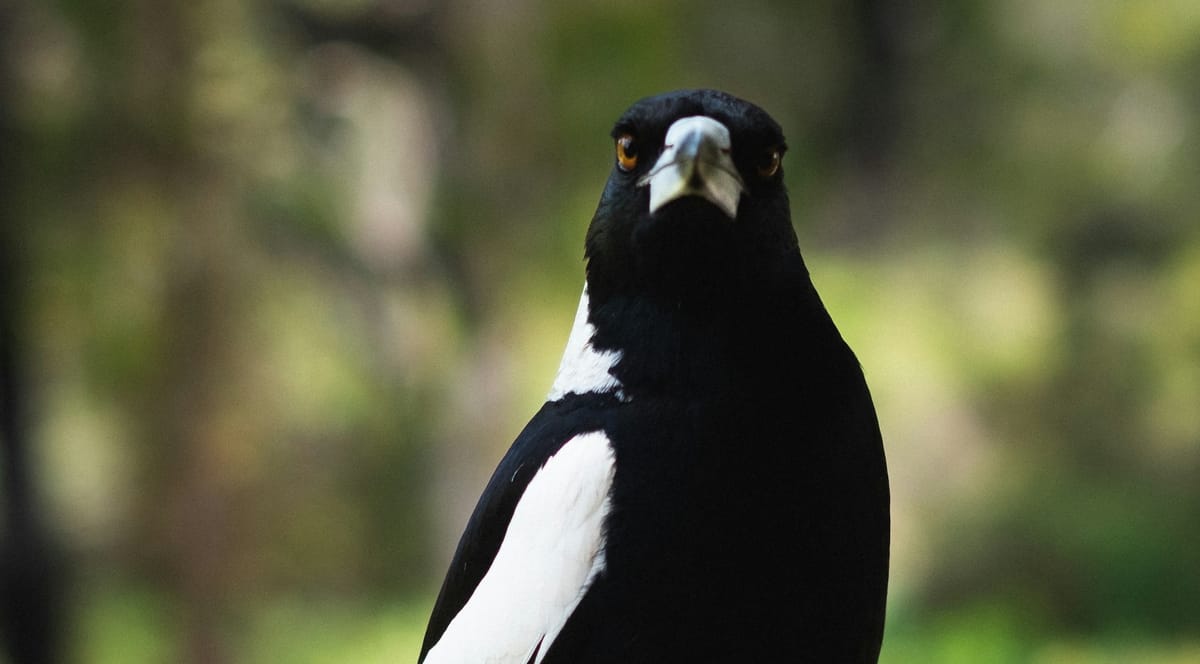
We must stop behaving like magpies, stealing shiny objects of desire. We can become better ancestors.
** I acknowledge my perspective as a privileged Pākehā who chose a bilingual English/Māori name for our social enterprise in 2020. This was intended to communicate the purpose of our work; To create resources and publications to tautoko decolonisation, reo revitalisation and Tiriti justice in Aotearoa. Our naming process included consultation with Te Taura Whiri registered translators who are mana whenua and it was then reviewed by the IPONZ Māori advisory committee. We contract professionals for te reo Māori translation content used in our paid work and include positionality statements in our introductions, bio and website, and koha our time to kaupapa Māori wherever we can. Imperfect? Without a doubt, but we absolutely committed to the 'doing better' approach wherever and however we can.
*** I'm not going to link her rubbish apology here as I don't think she needs any more airtime.